Creating a Low-EMF Space at Home
A Thoughtful Approach to Wellness-Centered Living

In today’s connected world, our homes are filled with invisible energy—from Wi-Fi signals and smart devices to everyday electronics that keep life running smoothly. While these technologies bring convenience, more homeowners are becoming mindful of how their environment supports overall well-being.
What Does “Low-EMF Living” Mean?
Low-EMF living isn’t about eliminating technology—it’s about balance. It’s the intentional reduction of unnecessary electromagnetic exposure, particularly in the spaces where you rest, recharge, and spend the most time.
Think of it as a wellness-forward design philosophy—similar to prioritizing natural light, clean air, and quiet surroundings.
Why It Matters in a Luxury Home
Today’s luxury homes go beyond beautiful finishes—they’re designed to enhance how you feel.
Creating a low-EMF environment can:
Support better sleep quality
Reduce digital overstimulation
Encourage deeper relaxation
Complement other wellness features like spa-inspired bathrooms and indoor-outdoor living
It’s not about complexity—it’s about thoughtful design choices that elevate everyday living.
Where to Start: Simple, Intentional Shifts
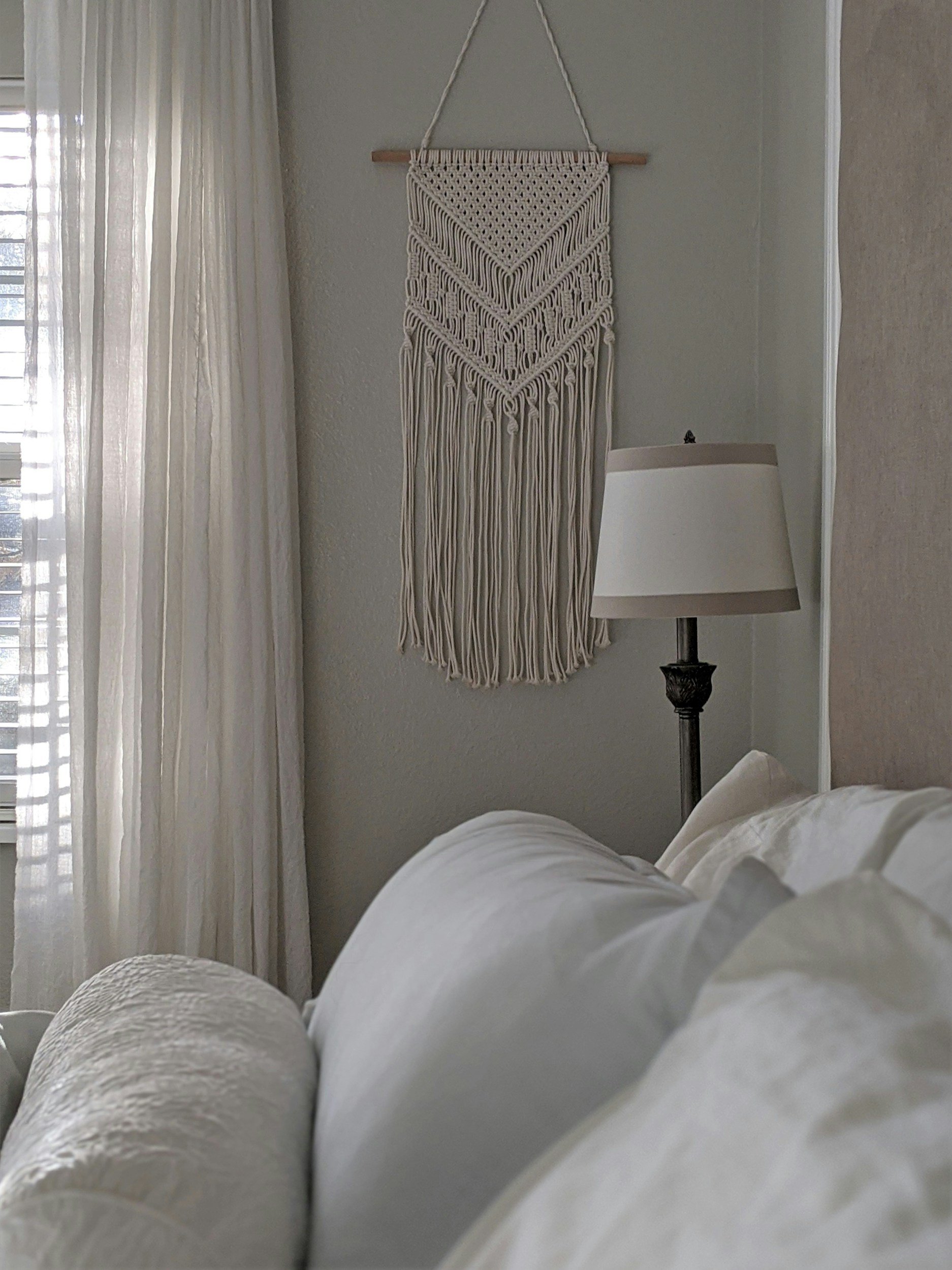
1. Prioritize the Bedroom as a True Retreat
Your bedroom should be the most restorative space in your home.
Keep phones off nightstands or switch to airplane mode
Position beds away from large electronics or shared walls with major appliances
Opt for wired alarm clocks instead of wireless devices
A calm, low-EMF bedroom aligns beautifully with luxury design—quiet, uncluttered, and deeply restful.
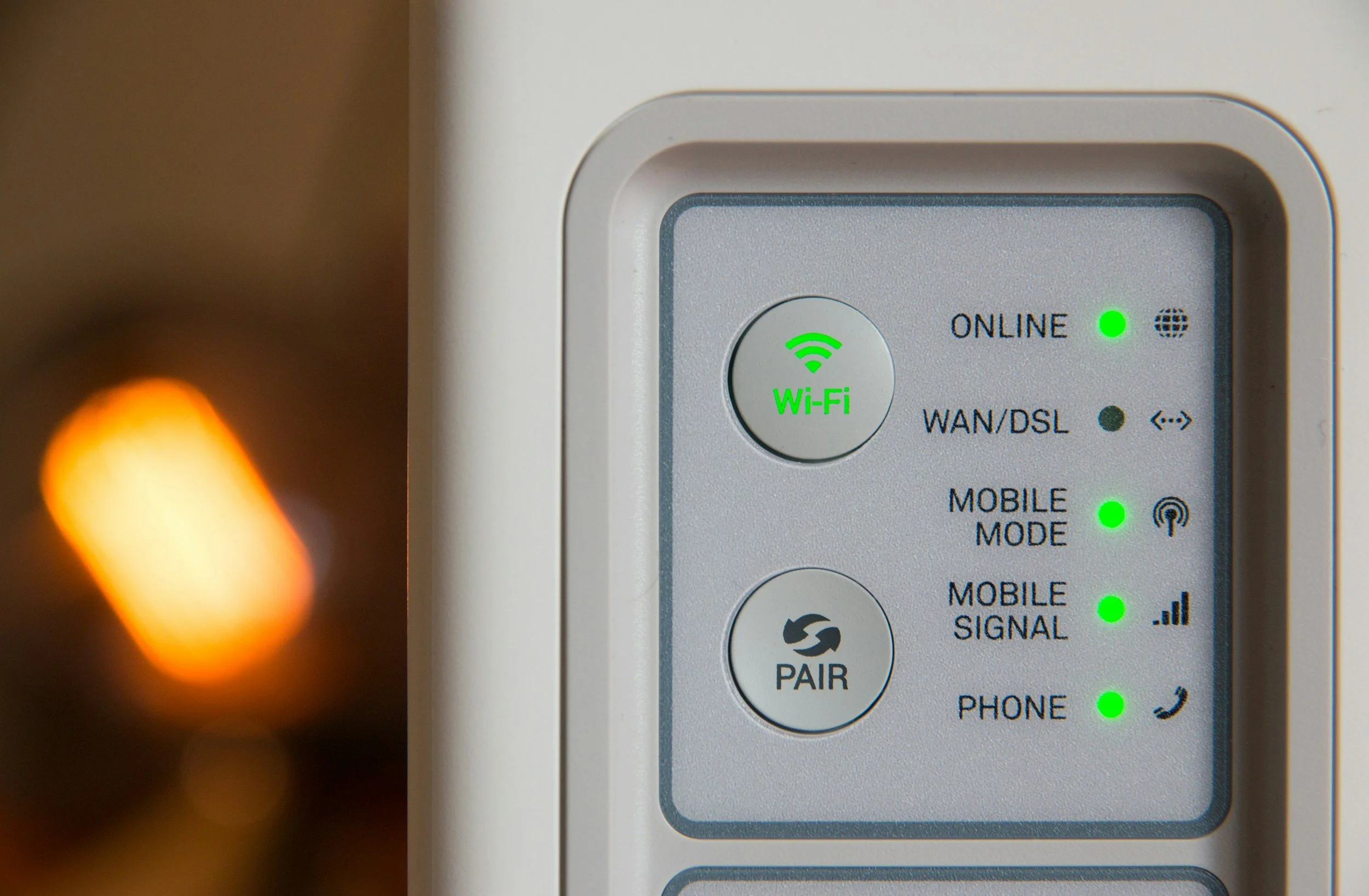
2. Be Strategic with Wi-Fi Placement
Wi-Fi is essential—but placement matters.
Locate routers away from bedrooms and primary living areas when possible
Consider using timers to turn Wi-Fi off overnight
In larger homes, thoughtfully plan access points rather than relying on a single high-powered source

3. Incorporate Hardwired Connections
Where possible, choose wired over wireless.
Ethernet connections for home offices and media rooms
Hardwired smart home systems instead of fully wireless setups
Wired speakers for dedicated entertainment spaces
This approach not only reduces EMF exposure but also enhances performance and reliability.

4. Design Tech-Free or Low-Tech Zones
Luxury living is as much about what you remove as what you include.
Create a reading lounge, meditation space, or wellness room free from screens
Keep dining areas focused on connection rather than devices
Design outdoor living spaces that encourage unplugging
These intentional spaces become some of the most valuable areas in the home.

5. Layer in Natural Materials
While not directly tied to EMFs, natural materials help create a grounded, calming environment that complements a low-EMF lifestyle.
Wood, stone, linen, and wool
Soft, diffused lighting
Organic textures and neutral palettes
The result is a home that feels as good as it looks.
A More Intentional Way to Live
Creating a low-EMF home isn’t about restriction—it’s about refinement. It’s choosing to design spaces that support rest, clarity, and connection in a world that’s constantly “on.”
In luxury homebuilding, these details matter. Because true luxury isn’t just seen—it’s felt.