Wellness Is a Lifestyle: How Home Design Shapes Your Everyday Habits
Luxury today isn’t just about finishes or square footage.
It’s about how a home supports the way you want to feel.
In a wellness-focused community like this one in Eagle, Idaho, health isn’t confined to a filtration system or an air purifier. It’s built into the architecture. The layout. The flow between spaces.
Because the way a home is designed quietly shapes the habits we build inside it.

Movement Built Into the Floor Plan
Wellness doesn’t always start at the gym.
Sometimes it begins with:
A morning stretch in a sunlit flex room
A short walk to nearby trails
A garage designed to hold bikes, paddleboards, or golf carts
Open spaces that encourage movement rather than confinement
When a home flows naturally, it invites activity.
Dedicated fitness rooms, cold plunge spaces, yoga studios, or simply a thoughtful connection to outdoor living areas make movement feel effortless — not scheduled.
In Eagle, where the outdoors is part of daily life, homes designed with activity in mind elevate that experience.
Spaces That Lower Stress — Not Raise It
High-end design used to focus on impressing guests.
Today, it focuses on calming the homeowner.
Wide hallways. Intentional sightlines. Quiet primary retreats. Soft transitions between rooms. Natural materials. Warm textures.
When a home feels calm, your nervous system responds.
And that response — subtle but powerful — shapes how you start and end each day.
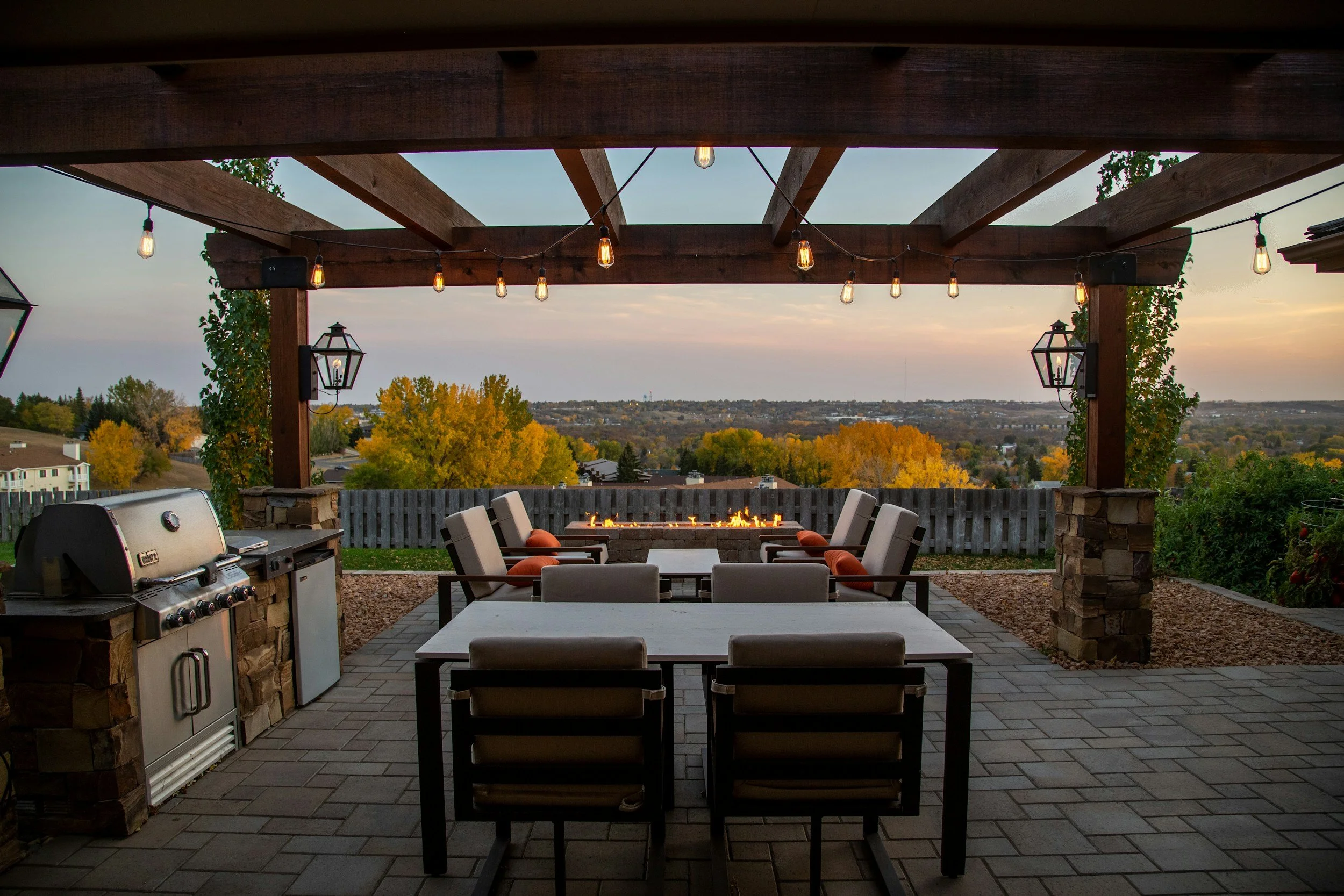
Seamless Indoor-Outdoor Living
One of the greatest wellness luxuries in Idaho is access to nature.
Large sliding doors that open to covered patios. Private courtyards. Outdoor kitchens. Fire features. Garden space.
These aren’t just entertaining features.
They’re invitations to step outside — to reset, breathe, and reconnect.
In a health-forward community, outdoor access isn’t an afterthought. It’s central to the design philosophy.
Recovery as a Design Priority
Modern wellness isn’t only about activity — it’s about recovery.
Spa-inspired primary suites. Soaking tubs positioned beneath soft light. Steam showers. Infrared saunas. Cold therapy spaces. Quiet reading nooks.
These features signal something important:
Rest is productive.
When recovery is built into the home, restoration becomes routine.
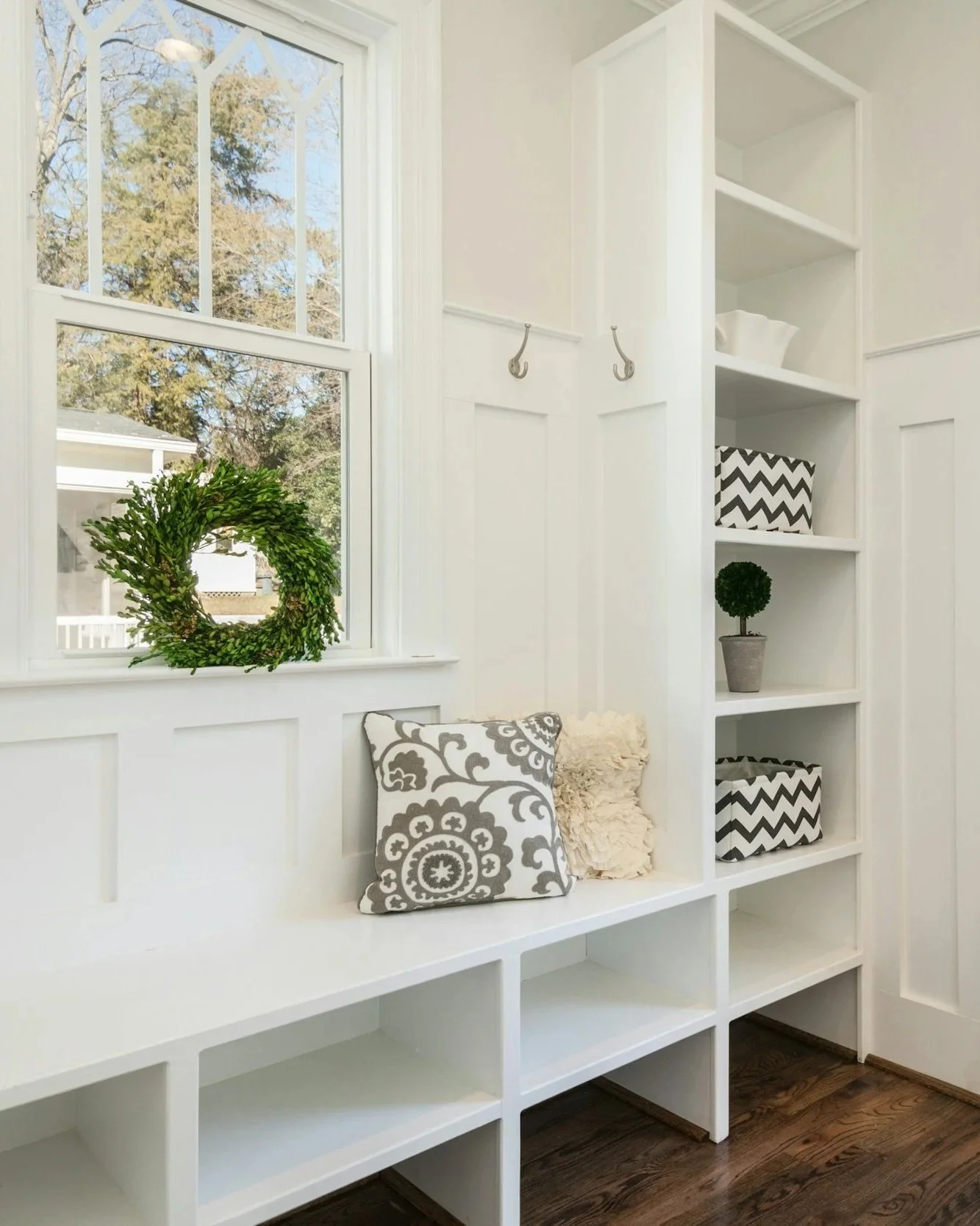
Designing for Mental Clarity
Cluttered spaces often create cluttered minds.
Well-designed storage. Hidden prep kitchens. Organized mudrooms. Walk-in pantries. Dedicated work-from-home offices with natural light.
When a home reduces friction, it increases focus.
In a wellness-centered environment, clarity is intentional — not accidental.
A Community That Supports the Whole Picture
This isn’t just about one home.
It’s about living in Eagle, Idaho — where trails, river access, and open skies reinforce the lifestyle inside your walls.
It’s about a neighborhood that prioritizes:
Walkability
Fresh air
Thoughtful architecture
And a shared value around well-being
When the home and the community align, wellness stops being a goal — and becomes the norm.
A New Definition of Luxury
Luxury used to mean more.
Today, it means better.
Better air. Better light. Better sleep. Better movement. Better recovery.
But beyond systems and specifications, it means something deeper:
A home that supports who you want to become.
Because true luxury isn’t about showing off.
It’s about feeling well — every single day.